



Latex gloves are a staple in medical settings, laboratories, and many households, prized for their elasticity, sensitivity, and protective barrier. But a crucial and often overlooked question arises: Are latex gloves flammable? The short answer is yes, latex gloves are flammable and can catch fire relatively easily. However, the complete picture involves understanding the degree of risk and the specific conditions under which they become a hazard.
This guide will break down the science, the real-world risks, and essential safety practices you need to know.
The Science Behind the Flammability
Natural rubber latex is derived from the sap of rubber trees. This organic material is primarily composed of hydrocarbons, which are, by nature, combustible.
Ignition Point: Latex gloves have a relatively low auto-ignition temperature (the point where they can catch fire without an external flame) typically ranging from 260°C to 320°C (500°F to 608°F).
Direct Flame Exposure: When exposed to an open flame or significant spark, latex will melt and ignite quickly. It will burn with a sooty, yellow flame and produce black smoke.
Behavior When Burning: Unlike some materials that merely char, melting latex can drip and spread fire, creating a secondary ignition risk. It also produces toxic fumes, including carbon monoxide and various hydrocarbons.
The “Danger Triangle”: Heat, Fuel, and Oxygen
For any fire to occur, three elements are needed: heat, fuel, and oxygen. Latex gloves are the fuel. In everyday scenarios, the heat source is the critical factor.
High-Risk Scenarios:
- Working Near Open Flames: This is the most obvious danger. Using latex gloves while cooking over a gas stove, lighting a grill, handling a Bunsen burner, or working with welding equipment is extremely hazardous.
- Exposure to Electrical Sparks: Short circuits, faulty wiring, or certain laboratory equipment can generate sparks hot enough to ignite latex.
- Contact with Hot Surfaces: While not always causing open flame, hot surfaces like industrial equipment, oven elements, or hotplates can melt the gloves instantly, causing severe burns and potentially igniting if the temperature is high enough.
Lower-Risk (But Not Zero-Risk) Scenarios:
In ambient temperature environments with no ignition sources—like a doctor’s examination room or during general cleaning—the flammability risk is negligible. The gloves themselves won’t spontaneously combust.
Latex vs. Other Common Glove Materials
How does latex compare to alternatives?
- Nitrile Gloves: These are synthetic and generally have a slightly higher resistance to flames than latex, but they are still flammable and will melt and burn when exposed to sufficient heat.
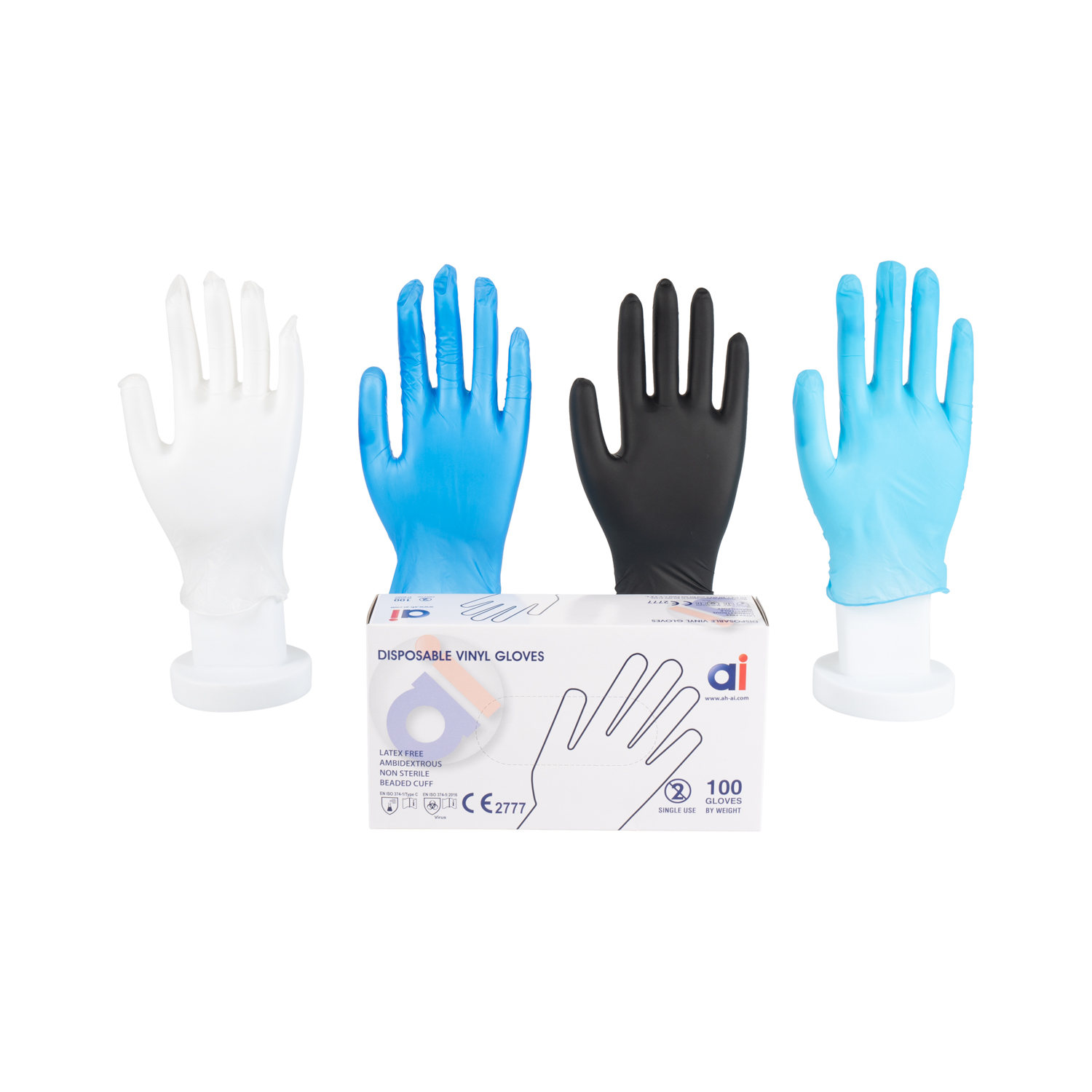
- Vinyl Gloves (PVC): Made from polyvinyl chloride, they have different burn characteristics. They will also melt when heated and can ignite, but they may require a higher temperature than latex. Crucially, burning PVC releases highly toxic hydrochloric acid gas, posing a severe inhalation hazard.
- Leather or Heat-Resistant Gloves (Kevlar®, Nomex®): These are specifically designed for high-heat applications and are not flammable in normal use. They are the appropriate choice for any task involving heat or flame.
Key Takeaway: For general purpose use, no common disposable glove (latex, nitrile, vinyl) is safe for direct heat or flame exposure.
Essential Safety Guidelines
- Never Use Latex Gloves Near Heat or Flame: This is the cardinal rule. Assume they will catch fire.
- Conduct a Risk Assessment: Before any task, identify potential ignition sources—not just open flames, but also hot surfaces, electrical equipment, and sparks.
- Choose the Right Glove for the Job:
- For heat and flame, use purpose-made heat-resistant gloves (leather, Kevlar, aluminized fabric).
- For chemical and biological protection in cool environments, latex or nitrile are suitable.
- For those with latex allergies, nitrile is a superior, non-allergenic alternative with similar chemical resistance.
- Store Properly: Keep boxes of disposable gloves away from heaters, electrical panels, or any heat source.
- Have Fire Safety Equipment Ready: If working in a lab or workshop where accidents are possible, ensure a fire extinguisher (Class A for ordinary combustibles like latex) and a fire blanket are accessible.
发表回复